So You're Thinking About Charging at Home — Here's What You Actually Need to Know
Plugging an electric vehicle in for the first time feels surprisingly simple. But once you start digging into charger types, installation requirements, and what your car can actually handle, it gets layered fast. The good news is that the fundamentals are straightforward once someone maps them out clearly. This guide does exactly that.
Understanding the Three Levels of EV Charging
Charging infrastructure runs on a tiered system, and knowing where each level fits changes how you think about your setup.
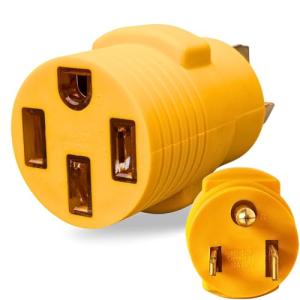
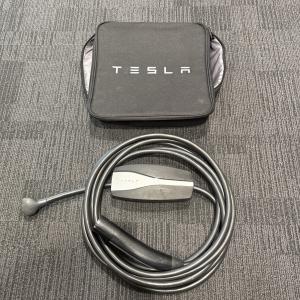
- Level 1 uses a standard 120-volt household outlet. No special hardware required. It adds roughly 3–5 miles of range per hour, which works fine for plug-in hybrids or drivers with short daily commutes. For a full battery EV, though, overnight charging barely makes a dent.
- Level 2 runs on 240 volts — the same circuit type as a dryer or electric range. This is where most home charging happens. Expect 15–30 miles of range per hour depending on the charger's amperage and your vehicle's onboard charger capacity. A depleted 60 kWh battery can typically be topped up overnight.
- Level 3 (DC Fast Charging) is commercial-grade equipment. These units deliver power directly as DC current, bypassing the car's onboard charger entirely. They can add 100–200 miles in 20–40 minutes. You won't install one of these at home — they require three-phase commercial power and cost tens of thousands of dollars.
For most new EV owners, the real decision is between tolerating Level 1 or investing in a Level 2 home setup.
What a Home Level 2 Installation Actually Involves
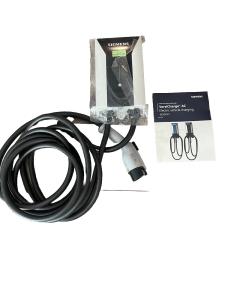
A Level 2 charging station — often called an EVSE (Electric Vehicle Supply Equipment) — needs a dedicated 240-volt circuit. In most homes, that means hiring a licensed electrician to run a new circuit from your breaker panel to the garage or driveway. Budget between $200 and $1,000 for installation depending on panel proximity, whether your panel has capacity, and local labor rates.
The charger unit itself typically runs $300–$700 for a quality residential model. Look for one with at least 40 amps of output — that keeps you future-proofed if you upgrade vehicles. Smart features like Wi-Fi scheduling and energy monitoring are worth the small price premium. Being able to schedule charging during off-peak electricity hours pays back the cost over time.
Check your local utility company before purchasing. Many offer rebates on equipment or installation specifically for EV charger setups. Some will even provide discounted overnight electricity rates for EV owners on a separate meter or rate plan.
Matching the Charger to Your Vehicle
This catches a lot of newcomers off guard. The charging speed you actually get is limited by whichever component is the bottleneck — the charger output or the car's onboard charger capacity. If your vehicle's onboard charger maxes out at 7.2 kW, buying a 19.2 kW home unit won't make it charge faster. You'll cap at what the car accepts.
Check your vehicle's specifications for "onboard charger capacity" in kW and "maximum AC charging rate." Match your home charger to that ceiling, or slightly above it for flexibility. Connector types matter too — most North American EVs now use the J1772 standard for Level 2, though newer vehicles increasingly include CCS combo ports for fast charging compatibility.
Public Charging Networks and When to Use Them
Home charging covers the majority of daily driving needs, but understanding public networks matters for road trips and emergencies. Most networks require an account or app, though payment by credit card is becoming more common. Apps like PlugShare are genuinely useful for locating chargers, checking real-time availability, and reading user reviews on reliability — because not every public charger works every time.
Workplace charging is underutilized and worth asking about. Many employers have added Level 2 stations in recent years, and using one during a workday means arriving home with a full battery without touching your home electricity bill.
The core takeaway is this: most EV owners handle 90% of their charging at home with a properly installed Level 2 setup, supplement occasionally with public fast chargers, and quickly stop thinking about range anxiety altogether. The infrastructure is more capable than most newcomers expect — you just need to set your home station up correctly from the start.
Ready to shop? Browse a wide selection of electric car power stations on eBay: View current listings