Commercial EV Chargers vs Residential Units: Key Differences
Commercial and residential EV chargers are designed for very different use cases. Understanding how they differ helps set realistic expectations around charging speed, durability, and installation requirements.
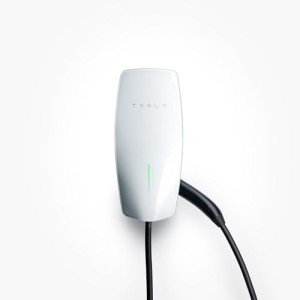
Residential EV chargers are typically built for private home use, focusing on ease of installation, compact design, and overnight charging. They are intended for predictable daily charging patterns and generally operate at power levels suitable for home electrical systems.
Commercial EV chargers are designed for frequent use in public or shared locations such as workplaces, parking facilities, and fleet depots. These units are often more robust, support higher power levels, and include features like access control, usage tracking, and network connectivity.
Choosing between commercial and residential chargers depends on usage volume, installation environment, and long-term charging needs. Each serves a distinct role in supporting electric vehicle adoption across different settings.